A Tradition of New Sound
Since 1874

Find Your Conn Sound
Select your instrument below.


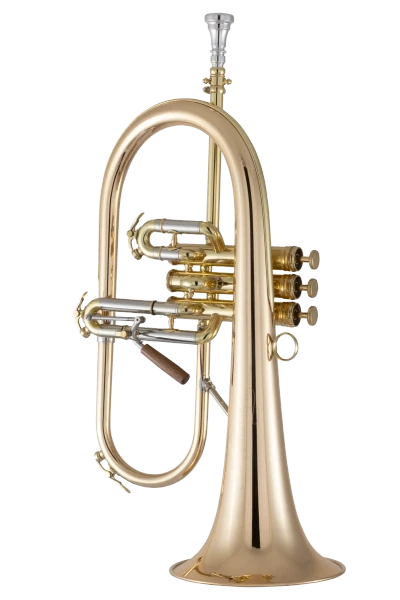
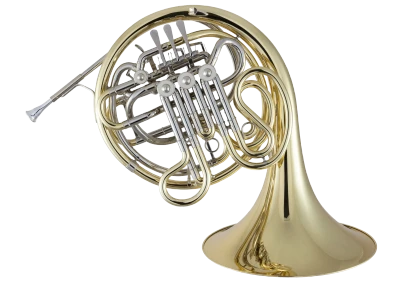


The Conn Legacy
Conn began with an accidental split lip and a stubborn refusal to stop making music. When an injury left him struggling to play cornet, Civil War veteran, bandleader, and tireless tinkerer Charles Gerard Conn didn't just design a new mouthpiece. It sparked something bigger: a lifelong pursuit to build brass instruments, again and again, in search of the next sound.
Conn's restless curiosity helped shape the sound of America. In 1888, Conn produced the first saxophone made in the United States. In 1893, working with John Philip Sousa, Conn introduced the sousaphone, refining an idea into a standard of projection, mobility, and presence that still defines the field. As Conn grew, so did its reach, and by 1905, the Conn factory in Elkhart helped make the city synonymous with global band instrument manufacturing. Conn's innovation was carried forward through the Conn Conservatory and Conn Music Research Lab, continually refining how band instruments were taught, built, and played.
The Conn sound has become inseparable from brass culture. It is heard in low brass that anchors an ensemble, in horns that reward depth and control, and in marching instruments engineered to carry sound across a field with unmistakable authority. This is what a tradition of new sound means at Conn: not innovation as a slogan, but as a discipline, so that when we gather, celebrate, march, mourn, and remember, the sound that rises bears the name Conn.
Conn in the Spotlight


Over a Century of Excellence


