Explore Our
Flutes and Piccolos

Find Your Perfect Sound
Select your level to explore our instruments.
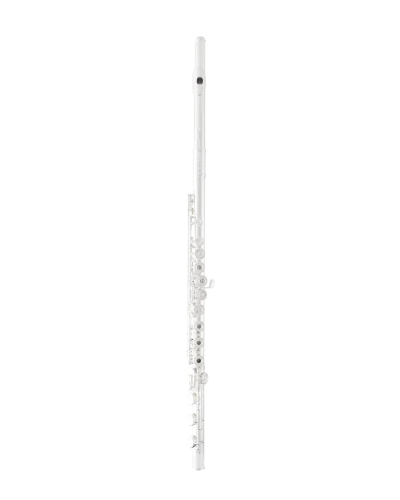
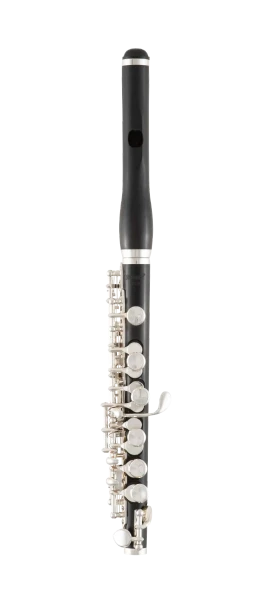
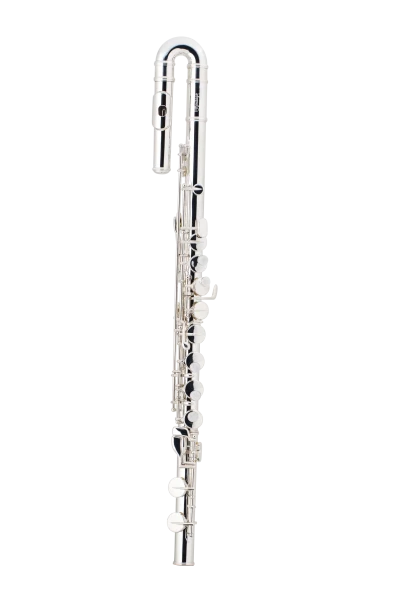

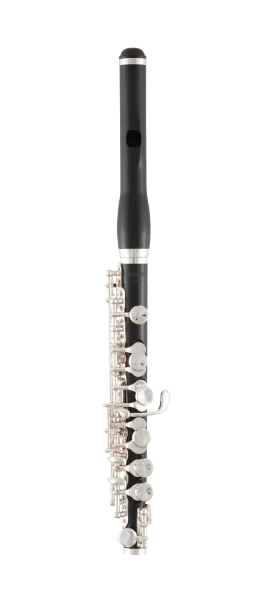

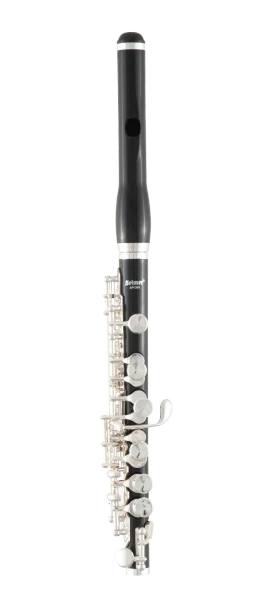

Selmer flutes and piccolos are crafted for musicians who want a focused, projecting tone with fast, reliable response. Student models offer hand-cut headjoints, durable nickel-silver bodies, and balanced keywork that support clean articulation and consistent intonation. Intermediate and advanced models add professional sterling silver headjoints, multi-tapered bores, and premium pads for increased resonance, dynamic control, and expressive depth. Built for players who demand clarity and presence, Selmer delivers a sound that leads confidently in every setting.
View Selmer Flutes and Piccolos
The History of Selmer
Selmer's story in America began in 1904, when Henri Selmer Paris established a workshop in New York City to offer French-made instruments to a growing community of musicians. When Henri's brother, Alexandre, returned to France, he entrusted the business to his student George Bundy. As jazz and band music flourished in the United States, Bundy expanded Selmer's reach by producing instruments for students and advancing players while importing professional models from Selmer Paris.
In the late 1920s, operations in the U.S. moved to Elkhart, Indiana, where flute production merged French craftsmanship with American manufacturing. Since then, Selmer has developed a full range of flutes and piccolos, from student through professional levels, emphasizing focused tone, precision construction, and responsive articulation. Its instruments continue to serve musicians who demand a clear, projecting voice in ensemble and solo settings.


Armstrong flutes are built for comfort, balance, and dependable playability that support confident progress from the first lesson through advanced study. Student models feature beginner-focused designs that promote smooth articulation and consistent response. Professional and alto models add silver-plated headjoints, bodies, and key arms for improved resonance and stable intonation. With a warm, clear voice that blends naturally yet carries expressively, Armstrong flutes remain a trusted choice for players seeking reliability and musical ease.
View Armstrong Flutes and Piccolos
The History of Armstrong
Armstrong began in 1931 when William Teasdale Armstrong, a skilled craftsman and former C.G. Conn foreman, opened a small flute repair shop in Elkhart, Indiana. His dedication to quality quickly earned him a reputation as a master maker, and professional musicians soon requested his custom instruments. Armstrong focused on durability, ease of play, and consistent intonation, making its flutes and piccolos particularly reliable for educational settings and ensemble use.
A major milestone came in the 1970s through collaboration with British maker Albert Cooper, introducing a modern 440 Hz scale that improved intonation accuracy. Today, the brand remains a trusted choice for players at every level seeking a balanced instrument with dependable tone and responsive mechanics.


Leblanc flutes and piccolos combine French-inspired acoustical design with modern reliability, producing a smooth, resonant voice that feels natural and responsive across the range. Balanced keywork and comfortable ergonomics support relaxed hand position and confident technique for players at all levels. With stable intonation, quick articulation, and a warm tonal core, Leblanc instruments provide an inviting foundation for expressive growth. Durable, thoughtfully crafted, and musically approachable, they offer clarity, comfort, and the signature refinement associated with the Leblanc name.
View Leblanc Flutes and Piccolos
The History of Leblanc
Established in 1904 when Georges Leblanc acquired the historic Noblet workshop, Leblanc built its reputation on acoustical research, innovative design, and a commitment to refined French craftsmanship. Under the leadership of Georges and later his son Léon, a Paris Conservatory prizewinner, the brand advanced woodwind acoustics through scientific development and modernized manufacturing techniques.
In 1946, a partnership with Vito Pascucci expanded Leblanc to the United States, bringing its instruments to a global community of students, amateurs, and professionals. Today, Leblanc continues this legacy by offering flutes and piccolos that balance expressive tone with dependable, player-focused design.
