Explore Our
Saxophones
Find Your Perfect Sound
Select your level to explore our instruments.

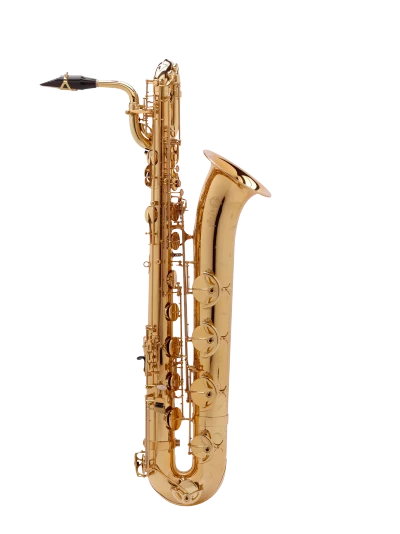
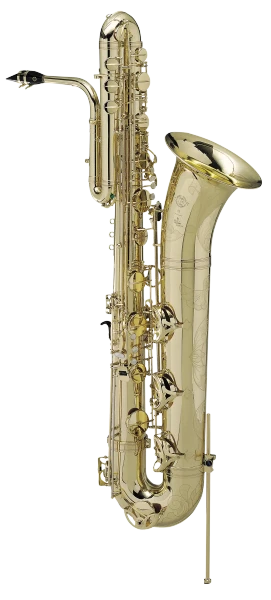


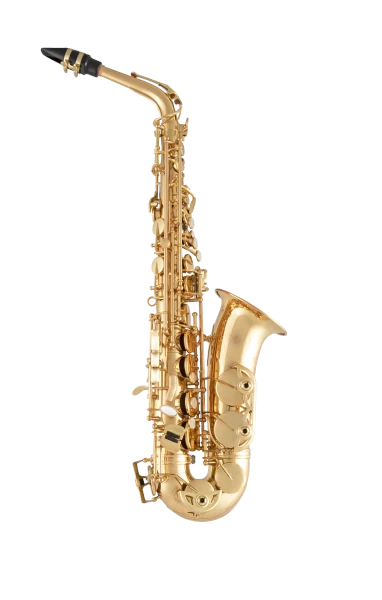
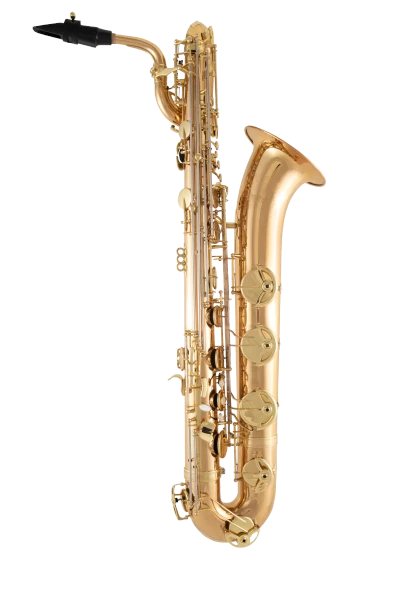




To play a Selmer Paris is to experience music in its purest form. Henri Selmer Paris stands at the pinnacle of saxophone artistry, where time-honored French craftsmanship meets modern innovation. Offering the complete saxophone family, Selmer Paris defines excellence in design, tone, and feel. These are the instruments artists trust to turn imagination into sound and musicians into true artists.
View Selmer Paris Saxophones
The History of Selmer Paris
Henri Selmer Paris began in 1885, when Henri Selmer opened a reed and mouthpiece workshop in Montmartre, Paris. By 1922, he and his brother Alexandre had introduced their first saxophone, the Model 22, pioneering the tone-hole pulling technique still used today. In 1929, Henri Selmer acquired the Adolphe Sax workshops, merging their expertise and preserving the instrument's original lineage. Over the next century, Selmer Paris became synonymous with innovation and artistry, introducing landmark designs such as the Balanced Action, Mark VI, and Supreme that defined the sound and feel of modern saxophones.
For more than 140 years, Selmer Paris has continued to push the boundaries of craftsmanship, acoustics, and design. Handcrafted in France and celebrated across genres, its instruments represent the perfect union of tradition and innovation. Revered by generations of artists, Henri Selmer Paris remains the gold standard of expression, carrying forward the legacy of French excellence and musical soul.

Explore Henri Selmer Paris Models


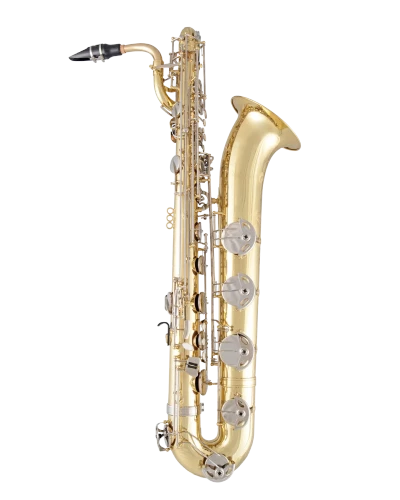
Rooted in the heritage of Henri Selmer Paris, Selmer saxophones combine French-inspired acoustical design with modern craftsmanship to deliver effortless playability and dependable performance. Designed to grow with the musician, each instrument offers precise intonation, responsive action, and a solid tonal core. Trusted by generations of performers, Selmer represents the foundation on which artistry and confidence are built.
View Selmer Saxophones
The History of Selmer
Selmer's story in America began in 1904, when Henri Selmer Paris established a workshop in New York City to offer French-made instruments to a growing community of musicians. When Henri's brother, Alexandre, returned to France, he entrusted the business to his student George Bundy, who formally incorporated the H. & A. Selmer (USA) Company in 1923. As jazz and band music flourished in the United States, Bundy expanded Selmer's reach by producing instruments for students and advancing players while importing professional models from Selmer Paris.
By the 1960s, Selmer had become a leader in American wind instrument manufacturing, moving production to Elkhart, Indiana alongside the Vincent Bach Corporation to combine precision engineering with trusted craftsmanship. Today, Selmer instruments continue to reflect their Parisian heritage while embracing modern innovation, offering smooth, balanced response, precision keywork, and enduring quality for musicians refining their sound on the path to mastery.


Developed with and for today's jazz and commercial saxophonists, Conn combines traditional American craftsmanship with modern innovation to create a horn that feels as alive as it sounds. With a warm, colorful tone and the power and attitude to command any stage, Conn delivers superb acoustics, lightning-fast response, and exceptional projection. Its American character is unmistakable: bold, expressive, and made for the spotlight. This is the spirit of jazz, reborn.
View Conn Saxophones
The History of Conn
The Conn legacy began in the 1880s, when the company became the first saxophone manufacturer in the United States, crafting instruments at its Elkhart, Indiana workshop. From the start, Conn earned a reputation for innovation and superior craftsmanship, introducing early advancements such as the forked E-flat mechanism, automatic octave key, and Microtuner and Resopad systems. Iconic models like the Wonder, New Wonder, Connqueror, and Connstellation set enduring standards for tone, ergonomics, and mechanical precision, helping define the voice of American jazz and commercial music throughout the 20th century.
Today, Conn continues that tradition for a new generation of performers, blending the warmth and power of its vintage sound with modern scale and ergonomics. Crafted for professional jazz and commercial players, Conn saxophones embody the spirit of American innovation and artistry, delivering bold tone, expressive freedom, and timeless character.


Known for quick response, reliable tuning, and a rich, refined tone, Leblanc strikes the perfect balance between craftsmanship and versatility. Comfortable, expressive, and durable, each instrument gives developing musicians the freedom to shape their sound with confidence and character, reflecting a long tradition of thoughtful innovation, including the brand's signature underslung octave key.
View Leblanc Saxophones
The History of Leblanc
Leblanc's heritage stretches back to 1750 with the founding of Ets. D. Noblet, the oldest instrument manufacturer in France. In 1905, Georges Leblanc acquired Noblet, merging centuries of French craftsmanship with his family's own tradition of innovation and artistry. Together with his wife, Clemence, who managed the factory during World War I, and their son, Leon, an accomplished clarinetist and Paris Conservatory prizewinner, the Leblanc family advanced new designs that elevated tone, precision, and playability for musicians worldwide.
In 1946, Leblanc expanded to the United States through a partnership with Vito Pascucci, the former Glenn Miller band repairman who helped bring French craftsmanship to a new generation of players. Innovations such as power-forged keys, fully ribbed bodies, and the signature underslung octave key reflect Leblanc's legacy of blending refined acoustical design with modern engineering. Today, Leblanc continues to offer instruments that balance durability, comfort, and expressive tone, inspiring developing and advancing musicians around the world.


Every Yanagisawa saxophone is a masterclass in Japanese craftsmanship and engineering artistry, a perfect harmony of power and sensitivity. Handcrafted in Tokyo by expert artisans, each instrument reflects an uncompromising pursuit of perfection in design, feel, and sound. The result is pure tonal clarity, flawless balance, and effortless control. Created for musicians who seek precision with personality, Yanagisawa stands as the benchmark of Japanese excellence, where precision itself becomes art.
View Yanagisawa Saxophones
The History of Yanagisawa
Yanagisawa's story began in 1893, when Tokutaro Yanagisawa opened a repair workshop in Japan specializing in woodwinds for military bands. His commitment to precision and acoustic integrity laid the foundation for a company that would redefine saxophone craftsmanship. In 1951, his son Takanobu built the first Yanagisawa saxophone, marking the beginning of a legacy centered on innovation, artistry, and meticulous attention to detail. By the 1970s, models like the B-6 baritone and S-6 soprano established Yanagisawa as Japan's premier saxophone maker, combining flawless intonation, ergonomic comfort, and refined tone.
The pursuit of innovation continued with milestones such as the 1985 S-880, the first soprano saxophone with a detachable neck, and the 1990 S-990, the first to feature a high G key. Today, every Yanagisawa saxophone is handcrafted in Japan by expert artisans dedicated to purity of sound and mechanical excellence. Renowned for their clarity, balance, and expressive depth, Yanagisawa instruments embody the art of Japanese precision, offering musicians an instrument that responds with effortless control and freedom.


